
The stock market delivered a strong finish to the week, with all three major indices posting solid gains. The S&P 500 (SPY) climbed 1.43% for the week, the Nasdaq-100 (QQQ) gained 1.24%, and the Dow Jones Industrial Average (DIA) continued its bullish trajectory, rising 1.22% during the holiday-shortened session.
The rally, anchored by strong technology performance and renewed investor optimism, culminated in the S&P 500 achieving its first Christmas Eve closing record in more than a decade, a symbolic capstone to a holiday-shortened week marked by tech’s rebound, fresh economic data releases, and lingering questions about the impact of the recent government shutdown.
The week’s strength reflected more than seasonal buying patterns. The reopening of government statistical agencies unleashed a list of long-delayed economic reports after the 43-day shutdown, including critical third-quarter GDP data from the Bureau of Economic Analysis showing real economic growth of 4.3%, up from 3.8% in the second quarter.
This data dump, encompassing consumer spending patterns, export dynamics, and government spending trajectories, provided concrete evidence that the U.S. economy remains resilient heading into 2026. Even as the data highlighted firmer inflation, markets largely viewed the stronger growth as constructive and consistent with a still-resilient expansion, validating the Federal Reserve’s cautious stance on interest rates.
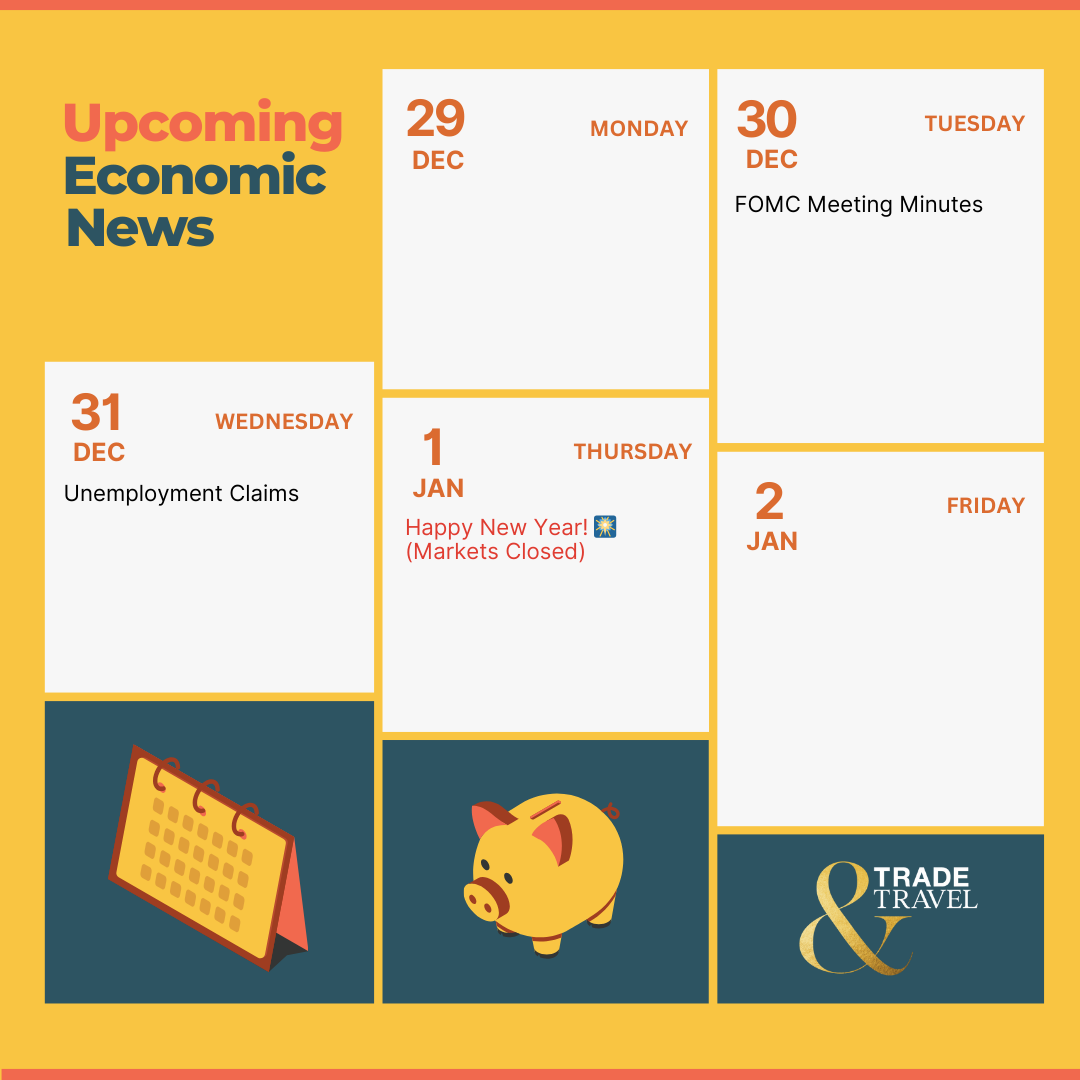
Looking ahead to the week of December 29, the economic calendar remains sparse, offering traders respite from data volatility. However, the December FOMC minutes, due Tuesday, will command attention for any guidance on the Fed’s January meeting.
Markets are pricing about an 82% probability that the central bank keeps rates on hold. Year-end portfolio rebalancing by institutional managers could exacerbate intraday volatility despite broadly bullish positioning. At the same time, record precious metals prices, reflecting safe-haven demand amid geopolitical tensions, may continue to support defensive positioning in parts of the market.
How This Impacts You
With the market trending higher right now, this is a good moment to focus on building confidence and familiarity before placing your first trade. Choose one well-known company you recognize, especially one involved in AI, and check its stock price at the same time each day this week. Simply notice whether it is higher or lower than the day before, without feeling any pressure to act on it.
📅 Tuesday, Dec 30th
- FOMC Meeting Minutes: The Federal Reserve cut interest rates by 25 basis points in December to a range of 3.50% to 3.75%, marking the third consecutive reduction, yet the Fed’s December statement employed language similar to December last year, suggesting a pause in future cuts, signaling minimal room for additional reductions in the near term.
The upcoming January 27-28 FOMC meeting is expected to result in no rate change, with CME FedWatch data showing an 82% probability that the committee will hold rates steady rather than cut further, as traders reassess the Fed’s inflation and employment outlook. Chair Powell indicated the Fed is now essentially “on hold” after cutting rates a cumulative 175 basis points since September 2024, emphasizing that the federal funds rate has reached approximately the neutral level that neither stimulates nor restrains the economy.
With only one rate cut projected for all of 2026 according to the Fed’s December dot plot, traders should closely monitor Fed officials’ commentary on tariff impacts and employment data, as any significant economic deterioration or unexpected inflation moderation could reshape the Fed’s rate trajectory.
📅 Wednesday, Dec 31st
- Unemployment Claims: Initial jobless claims are expected to edge higher to 215,000 from 214,000 in the previous week, signaling a modest stabilization in layoff activity as the year concludes despite seasonal volatility around the year-end period.
Market participants should focus on the four-week moving average, which currently stands at approximately 216.75K, as this metric smooths out weekly noise and better captures underlying labor market trends. The rising trend in continuing claims (now at 1,923K), paired with subdued hiring rates, suggests the labor market is gradually softening as employers remain cautious about large-scale hiring.
A print below 210K could provide modest support for equities by signaling labor market resilience and potentially delaying further Federal Reserve rate cuts, while any surge above 225K may fuel recession concerns. Watch for the four-week average’s trajectory and any divergence from the forecast, as traders increasingly treat weekly spikes as seasonal anomalies while monitoring the broader claim trend for signs of accelerating layoffs that could trigger a policy shift.
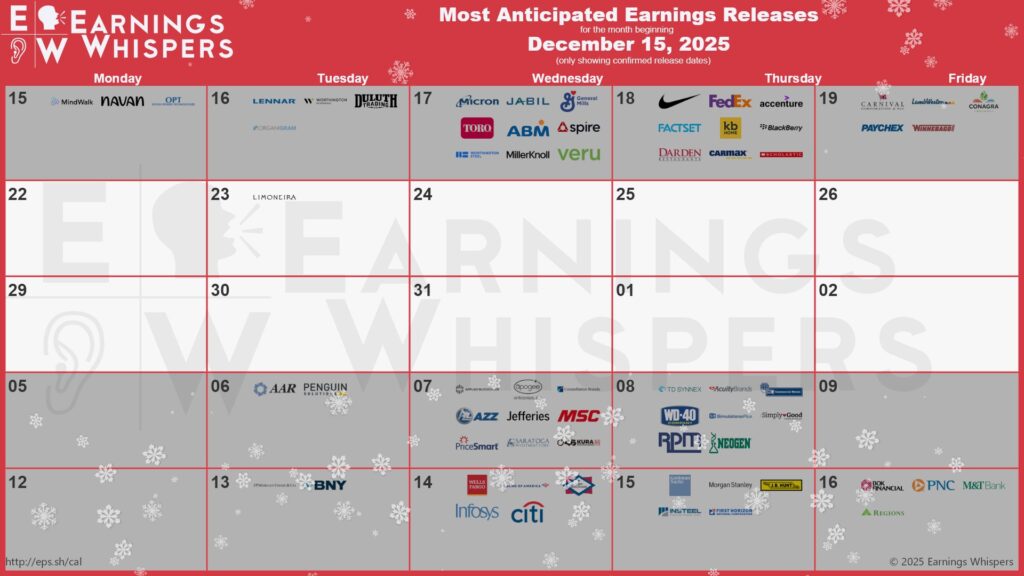
🎆 Earnings activity remains quiet as markets transition into the New Year. As we wrap up the holiday season and step into 2026, we wish everyone a Happy New Year filled with growth and meaningful moments with the people you love.
We’re grateful to be on this journey with you!
– Trade and Travel Team
Related Blogs
Follow Us
Testimonials
Hear from students on why they chose the Trade and Travel Family and how it has changed their lives.

